

When Seconds Matter: What You Need to Know ACLS Training for First Responders
ACLS training for first responders builds on the principles of basic life support and prepares them to manage cardiac arrest, life-threatening heart rhythms, stroke, and other medical emergencies with advanced, team-based care.
Here’s what you need to know at a glance:
- Who it’s for: Paramedics, critical care nurses, emergency physicians, respiratory therapists, and other healthcare professionals involved in caring for patients with cardiovascular emergencies
- What it covers: High-quality CPR, rhythm recognition, advanced airway management, IV/IO access, medication administration, team dynamics, and post-resuscitation care
- How long it’s valid: 2 years from the date of issue
- Formats available: Instructor-led classroom or Blended Learning ACLS (online course plus in-person skills session)
- Prerequisites: For instructor-led initial ACLS, complete the ACLS precourse self-assessment and have the ACLS Student Manual or eBook. For instructor-led renewal, those same requirements apply, plus a current, non-expired ACLS certification. There are no prerequisites for Blended Learning ACLS.
When someone goes into cardiac arrest, the care they receive in the first few minutes is critical. Immediate, high-quality CPR can double or even triple a person’s chance of survival. But for the professionals arriving on scene, basic CPR is just the starting point.
That’s where ACLS training for first responders comes in.
Advanced Cardiovascular Life Support (ACLS) gives first responders a structured, evidence-based framework for managing a broad spectrum of cardiac and respiratory emergencies. It’s the difference between knowing how to do CPR, and knowing exactly what to do when the monitor shows ventricular fibrillation, when medications need to be administered, and how to effectively lead a team through a high-stakes resuscitation.
This guide breaks down everything first responders need to know about ACLS — from the core algorithms and pharmacology to choosing the right course format and earning continuing education credits.
Understanding ACLS Training for First Responders
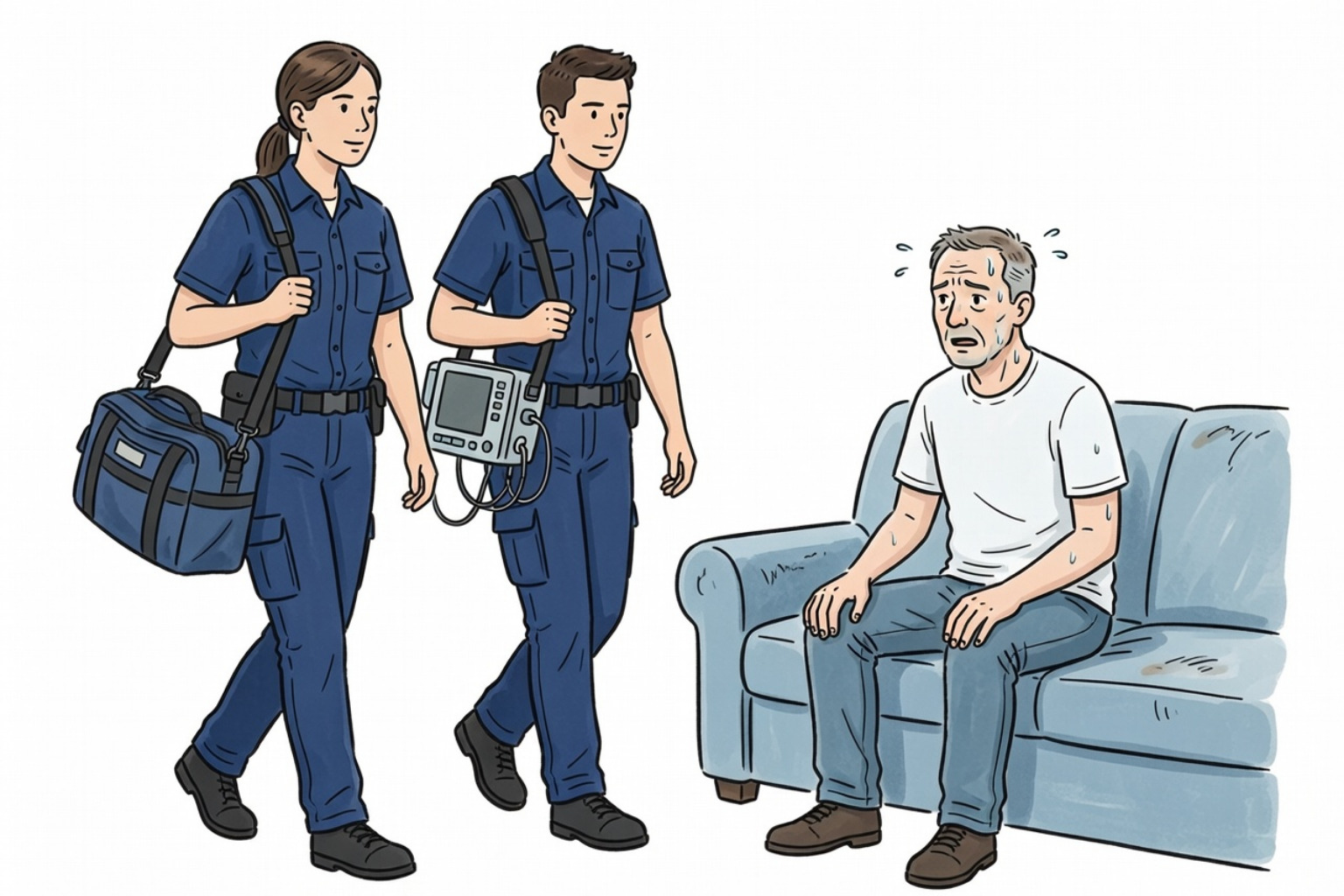
In emergency response, instinct helps, but it is not enough. You need a reliable system. As of April 2026, the American Heart Association (AHA) continues to update their evidence-based recommendations and guidelines that shape lifesaving care. At its core, ACLS Certification is not just a checklist. It is a structured framework for managing cardiac emergencies.
ACLS training brings together advanced interventions, clear communication, and coordinated team roles during high-pressure emergencies. In a megacode scenario, no one works alone. A high-performance team depends on a leader who keeps the big picture in view while other members carry out critical tasks like chest compressions, airway support, rhythm recognition, and medication delivery with speed and accuracy.
ACLS vs. BLS: Building a Foundation
Think of Basic Life Support (BLS) as the foundation of a house. It covers the essentials: high-quality chest compressions, effective ventilations with basic airway management, and AED use. Every first responder must master BLS Certification before moving up.
ACLS is the rest of the house. While BLS focuses on manual interventions to keep blood moving, ACLS introduces:
- Advanced Airway Management: Moving beyond the bag-valve mask to endotracheal tubes or supraglottic airways.
- IV/IO Access: Establishing a line to deliver life-saving fluids and medications.
- Rhythm Interpretation: Reading the “squiggles” on the monitor to differentiate between rhythms that need a shock and those that need a different approach.
- Pharmacology: Knowing exactly when to reach for atropine, adenosine, or amiodarone.
Which First Responders Need ACLS Training?
If your role includes leading a resuscitation, interpreting cardiac rhythms, managing an advanced airway, or giving emergency medications, ACLS training is likely essential. This often includes:
- Paramedics and EMTs: Key providers in prehospital emergency care.
- Fire service personnel: Especially those working on ALS-capable response units.
- Critical care and ER nurses: Professionals involved in rapid stabilization and handoff.
- Emergency physicians and respiratory therapists: Team members who manage advanced cardiac and airway emergencies.
For seasoned responders who regularly lead resuscitation efforts, AHA ACLS for Experienced Providers (ACLS EP) offers more advanced training in complex metabolic, toxicologic, and other specialized emergencies.
Core Components of the ACLS Cardiac Arrest Algorithm
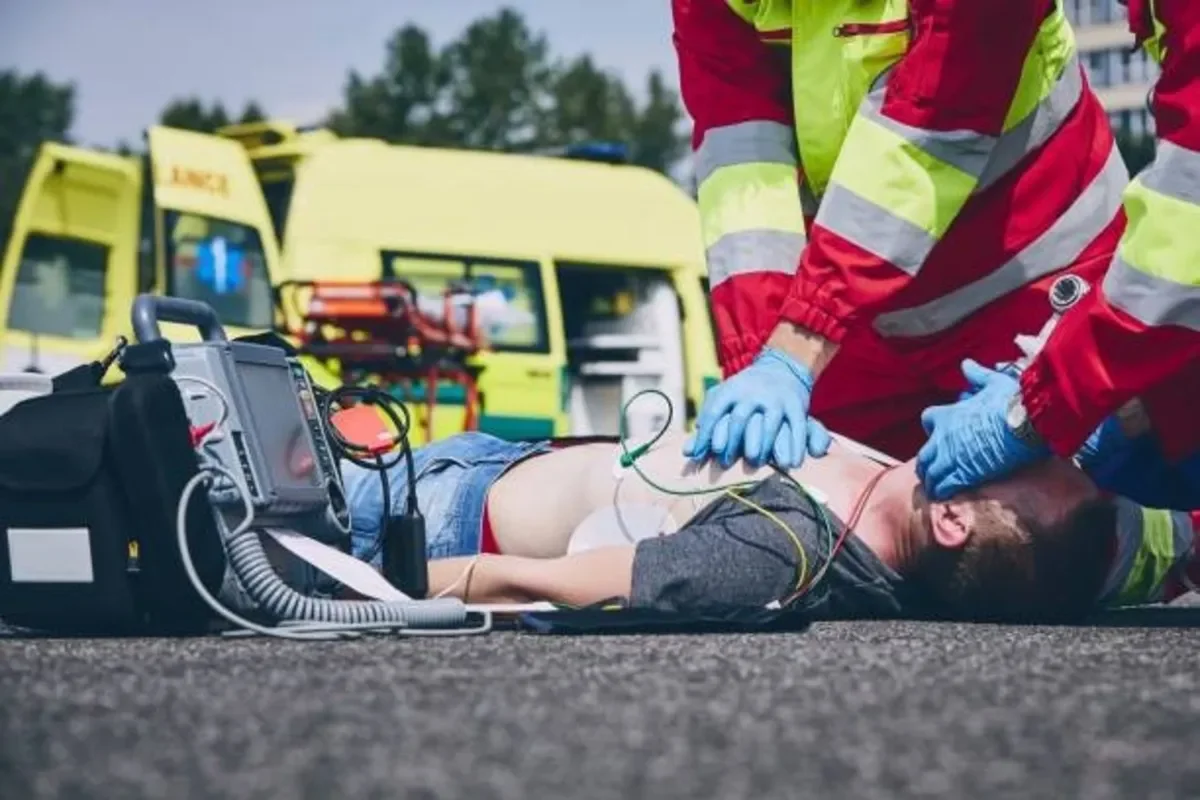
The ACLS algorithm is the roadmap for cardiac arrest care. It guides a repeating cycle focused on keeping blood flowing, checking the heart rhythm, and looking for the cause of the arrest. With advanced medications and monitoring tools, ACLS builds on the core of effective resuscitation, which is high-quality CPR.
Current standards emphasize:
- Rate: 100-120 compressions per minute (think “Stayin’ Alive”).
- Depth: 2 to 2.4 inches for adults, allowing for full chest recoil between each push.
- Minimal Interruptions: Every time you stop pushing, the blood pressure in the brain and heart drops. We aim to keep pauses to less than 10 seconds.
You can find a detailed breakdown of these steps in our ACLS Algorithms guide.
Shockable vs. Non-Shockable Rhythms
The patient should be placed on the monitor as soon as possible to identify the heart rhythm and determine whether a shock is needed. This is one of the most important decision points in ACLS training for first responders.
- Shockable Rhythms (VF/pVT): Ventricular Fibrillation and pulseless Ventricular Tachycardia. These are “electrical storms.” The goal is to deliver a shock (defibrillation) as soon as possible to “reset” the heart.
- Non-Shockable Rhythms (Asystole/PEA): Asystole (the “flat line”) and Pulseless Electrical Activity (where the heart has an electrical rhythm but no mechanical squeeze). These rhythms are not corrected with a shock. Instead, the focus is on high-quality CPR, epinephrine, and determining/treating any underlying reversible causes.
Understanding the difference is a key part of both ACLS and BLS Algorithms.
Reversible Causes: The Hs and Ts
If the heart isn’t starting, there’s usually a reason. ACLS teaches us to run through a checklist of “Hs and Ts” to see if we can fix the problem:
- Hypovolemia: Did they lose blood or fluids?
- Hypoxia: Do they need more oxygen?
- Hydrogen Ion (Acidosis): Is their blood chemistry off?
- Hypo/Hyperkalemia: Are their potassium levels too high or low?
- Hypothermia: Are they too cold?
- Tension Pneumothorax: Is there air trapped in the chest cavity?
- Tamponade: Is fluid squeezing the heart?
- Toxins: Did they overdose or ingest something?
- Thrombosis (Heart/Lung): Is there a massive clot?
Advanced Interventions and Post-Resuscitation Care
Once you’ve stabilized the rhythm, the work isn’t over. In fact, the transition to the Return of Spontaneous Circulation (ROSC) is one of the most dangerous times for a patient.
We use quantitative waveform capnography (ETCO2 monitoring) to keep an eye on things. If the ETCO2 suddenly increases significantly, it’s a great sign that the heart may have started beating on its own again. If it stays below 10 mmHg despite good CPR, we may need to re-evaluate our technique.
Pharmacology and Medication Administration
Medications matter in ACLS, but the right drug at the right moment matters even more.
- Epinephrine: A core ACLS medication. In cardiac arrest, it is given as 1 mg every 3-5 minutes to support coronary and cerebral perfusion.
- Amiodarone or Lidocaine: Common antiarrhythmics for shock-refractory ventricular fibrillation (VF) or pulseless ventricular tachycardia (pVT).
- Procainamide: Another antiarrhythmic used in ACLS, especially for certain stable wide-complex tachycardias, depending on the rhythm and clinical picture.
- Beta-blockers and calcium channel blockers: Used more often in selected tachycardia cases with a pulse, particularly when rate control is needed and the patient is stable enough for medication-based management.
- Atropine or Dopamine: Atropine is used for symptomatic bradycardia, while dopamine infusion may be considered when bradycardia persists or blood pressure support is needed.
- Magnesium sulfate: Reserved for specific situations, especially Torsades de Pointes.
Optimizing Outcomes with Post-ROSC Care
Getting a pulse back is a big step, but post-ROSC care is what helps protect the brain and other organs afterward. Key priorities include:
- Oxygenation: Target an SpO2 of 94-99%.
- Blood Pressure: Maintain a systolic BP of >90 mmHg, often with IV fluids or vasopressors.
- Temperature control: Actively manage body temperature to prevent fever and support neurological recovery after resuscitation.
Choosing the Right ACLS Training First Responders Format
Not everyone learns the same way, and first responders have busy schedules. Here in the SF Bay Area, we provide options that fit your life.
| Feature | Classroom ACLS | Blended HeartCode ACLS |
|---|---|---|
| Online Work | None | 2-3 hours of adaptive learning |
| In-Person Time | 12 hours (Initial) / 6 hours (Renewal) | \~30-60 minutes (Skills session) |
| Best For | First-timers or those wanting deep review | Experienced pros needing a fast update or beginners who want self-paced learning |
| Certification | 2-year AHA Card | 2-year AHA Card |
| Hands-On | Extensive practice & Megacodes | Focused skills testing |
Whether you choose the traditional route or the HeartCode ACLS format, you’ll be getting the same high-quality certification.
Prerequisites for Advanced Certification
Before enrolling, make sure you have the basics down. ACLS builds on core emergency response skills, so most learners should come in with:
- BLS proficiency: You should be comfortable with high-quality CPR, AED use, and basic team response.
- ECG knowledge: You should recognize common rhythms and problems such as VF, VT, SVT, asystole, PEA, and symptomatic bradycardia.
- Pharmacology prep: A working understanding of key ACLS medications and when they are used helps a lot.
- Precourse self-assessment: Many ACLS programs require an online review or self-assessment before class.
- Blended learning readiness: If you choose a blended option like HeartCode ACLS, be prepared to complete the online portion before your in-person skills session.
Frequently Asked Questions about ACLS Training
How long does ACLS certification last?
Your AHA ACLS Provider card is valid for exactly two years. We recommend starting your renewal process about 60 days before it expires to ensure you don’t have a gap in your credentials.
What are the continuing education credits for EMS?
Most ACLS courses provide CE/CME credits. For example, the HeartCode ACLS online portion typically provides 4.25 Advanced CEHs for EMS professionals (CAPCE-accredited).
Can I renew my BLS and ACLS at the same time?
Yes. Many first responders renew both credentials together to save time and stay compliant for work. A practical way to do that is through a Blended Learning option, which lets you complete the online portion first and then finish hands-on skills testing in person.
Conclusion: Elevate Your Response with Vive CPR
At Vive CPR, we believe that training should be as real-world as the calls you run. That’s why our instructors are professional first responders — EMTs, paramedics, and fire service veterans who have actually used these algorithms in the streets of Santa Rosa, Rohnert Park, and across the North Bay.
We skip “death by PowerPoint” and do not rely on automated voice-assisted manikins. Every one of our certification classes includes an instructor-led, hands-on componet, so you finish ready to respond with confidence when the siren stops.
Whether you need a full classroom course in Rohnert Park or a quick Blended Learning skills session, we offer flexible scheduling, including evenings and weekends, to help Bay Area first responders stay ready for real emergencies. Do not wait for the next big call – refresh your skills today.
