

What is a PALS Provider Class?
At its core, a PALS class is a specialized training program built to improve outcomes for pediatric patients. While Basic Life Support focuses on the essentials of CPR, Pediatric Advanced Life Support (PALS) goes further. It teaches a structured approach to pediatric assessment so you can spot early signs of distress before they turn into a life-threatening emergency.
The curriculum is co-branded with the American Academy of Pediatrics (AAP) and built around current evidence-based science. During the course, several core topics are covered:
- Pediatric Assessment: Using the Assess-Identify-Intervene approach to quickly evaluate breathing, circulation, and neurologic status.
- Respiratory Emergencies: Learning to spot the difference between respiratory distress and respiratory failure, then choosing the right airway and breathing support.
- Shock: Recognizing the main shock categories, including hypovolemic, distributive, cardiogenic, and obstructive shock, and starting early treatment.
- Cardiac Arrhythmias: Identifying and managing pediatric rhythm problems such as bradycardia and tachycardia.
- Cardiopulmonary Arrest: Responding to arrest situations involving ventricular fibrillation, pulseless ventricular tachycardia, asystole, and pulseless electrical activity.
- Team Dynamics: Practicing clear communication as both a team leader and an effective member of a high-performance resuscitation team.
For those looking to master these skills, our Pediatric Advanced Life Support training provides the hands-on practice necessary to feel confident in a crisis. You can also brush up on the specific clinical pathways by reviewing the PALS Algorithms used in the field.
Choosing the Right PALS Provider Class for Your Career
Selecting a training center is about more than just finding the closest address. In healthcare, the quality of your instructor can make a life-saving difference. At Vive CPR, we take pride in the fact that our instructors are professional first responders—EMTs, paramedics, and fire service veterans—who have used these skills in the real world.
When you are looking for a PALS provider class, make sure the facility is an American Heart Association (AHA) Training Site. That helps ensure your eCard will be accepted by hospitals and licensing boards nationwide.
A quick heads-up for planners: we do not offer walk-in classes or same-day certification. Because PALS requires hands-on practice, specialized equipment, and AHA-aligned instructor-to-student ratios, you will need to book ahead. We also do not offer online-only certification, since the in-person skills portion is essential. If you also need ACLS, we offer ACLS Blended Learning certification, which can make it possible to complete both ACLS and PALS certifications on the same day.
What to Expect in a pals provider class
Walking into a PALS Certification class shouldn’t feel like a trip to the dentist. While the material is serious, the learning environment at Vive CPR is designed to be supportive and interactive.
You will not just sit through videos. You can expect:
- Realistic Simulation Training: We use high-quality pediatric manikins, drug boxes, monitors, and other clinical training tools to recreate the feel of a professional healthcare environment, so you can practice responding to pediatric emergencies in a setting that feels close to real patient care.
- Hands-On Skills Practice: You will practice key PALS skills throughout the class, including airway management, electrical therapy such as defibrillation and cardioversion, and medication administration.
- Pharmacology Review: We cover common emergency medications, including when they are used and the pediatric dosages you need to know.
- Rhythm Recognition: You will practice identifying pediatric arrhythmias on the monitor as part of realistic emergency scenarios.
The goal of our American Heart Association PALS Certification Class is to ensure that when a real emergency happens, you are confident in your ability to act quickly, and your muscle memory takes over.
Certification Validity and Renewal
Once you successfully complete your PALS Provider Certification Class, your AHA PALS Provider eCard is valid for two years. As April 2026 approaches, healthcare professionals may wish to review their PALS certification date and enroll in a PALS certification class to keep their certification current.
For instructor-led PALS initial and renewal classes, all students must complete the Precourse Self-Assessment and score at least 70% before class. You will also need the current PALS Provider Manual or eBook. If you are enrolling in an instructor-led renewal course, you must have a current, non-expired PALS card. If you need more scheduling flexibility, HeartCode PALS Blended Learning lets you complete the coursework online first, then come in for the hands-on Skills Session.
Don’t Be Confused: The other PALS Class for Software Developers

Here is the other common meaning: if you’re searching for “pALS” or “PAL” in software, you may not mean a medical course at all. In tech contexts, people are often looking for a platform abstraction layer or a similarly named component rather than a PALS provider class.
The Provider class is the central piece of the Java Cryptography Architecture (JCA). It acts as a “plug-in” that allows the Java Security API to implement various algorithms, such as RSA, DSA, or SHA-256. Just as a medical provider delivers a specific service (like PALS), a Java security provider delivers a specific cryptographic service.
According to the Provider (Java SE 26 & JDK 26) documentation, this class is an abstract class that represents a security provider for the Java Platform.
Technical Note: The pals provider class in Java Security
The Provider class is unique because it extends Properties. This means it functions like a specialized map that stores the names and locations of security algorithms.
Key technical aspects include:
- Map Methods: Developers use methods like
entrySet(),keySet(), andvalues()to query the capabilities of a specific provider. - ProviderException: This is a runtime exception used for unrecoverable errors within the provider’s internal logic.
- Pluggable Architecture: The JCA allows you to add or remove providers without changing your application’s core code. This means if a new, faster encryption algorithm is released in 2026, you can simply plug in a new provider that supports it.
Constructing and Configuring Provider Instances
In modern Java (since Java 9), the way we handle these classes has evolved. Older, deprecated constructors like Provider(String name, double version, String info) have been replaced by more robust versions.
Today, providers are often configured using the configure(String configArg) method. They are loaded into the JVM through a few different ways:
- ServiceLoader: The modern mechanism for discovering and loading providers.
- java.security file: Static registration within the JDK’s security configuration file.
- AuthProvider: A specific subclass used for providers that require a login/logout mechanism (like hardware security modules).
Managing Services within a pals provider class
Within the Java Provider class, “Services” are the actual implementations of algorithms. Developers manage these using:
- putService(Provider.Service s): To add a new algorithm implementation.
- getService(String type, String algorithm): To retrieve a specific implementation.
- removeService(Provider.Service s): To take an implementation offline.
While this is a far cry from a Vive CPR PALS Certification Class in Rohnert Park, it highlights the importance of the word “Provider” in both the medical and technical worlds — it’s all about delivering a specialized service reliably.
Comparing PALS Course Formats
Deciding which PALS Provider certification class format to take depends on your learning style and schedule. Here is how the three main options compare:
| Feature | Instructor LED Initial Class | Instructor LED Renewal Class | Heart Code Blended Learning class |
|---|---|---|---|
| Best For | First-time PALS learners or those with expired cards | Currently certified providers renewing on time | Busy professionals who want more flexibility |
| Classroom Time | \~12 hours | \~6 hours | 2-6 hours (online course) + 2 hours (Skills Session) |
| Online Work | PALS Precourse Self-Assessment | PALS Precourse Self-Assessment | HeartCode PALS Online Course |
| Hands-on Skills | Built into the class throughout | Built into the class throughout | Separate instructor-led Skills Session |
| Target Audience | New pediatric acute care providers | Experienced providers due for renewal | Online learners or those who need more scheduling flexibility |
Frequently Asked Questions
Who is required to obtain PALS Certification?
PALS is typically required for any healthcare professional who works in a setting where they might encounter a pediatric emergency. This includes:
- Physicians and Nurses: Especially those in the ER, ICU, or NICU.
- Paramedics and EMTs: First responders who treat children in the field.
- Respiratory Therapists: Vital members of the resuscitation team.
- Hospital Rapid Response Teams: Those who respond to “Code Blue” calls.
Interestingly, in the UK, the acronym PALS often refers to the Patient Advice and Liaison Service, which is a completely different entity focused on patient advocacy. In the U.S., however, it almost exclusively refers to the life support certification.
What are the testing requirements for PALS?
To earn your eCard, you must prove both your knowledge and your physical skills. The requirements are:
- Written Exam: In a traditional instructor-led course, you complete a 50-question, open-resource exam and need a score of at least 84%. If you are taking an American Heart Association Blended Learning course, there is no written exam during the hands-on skills session.
- BLS Skills Test: You must demonstrate high-quality CPR for infants and children, including proper AED use.
- Core Case Scenarios: You must successfully perform as the Team Leader in two simulated cases: one cardiac emergency and one respiratory or shock emergency.
If you’re ready to get started, you can enroll in HeartCode PALS today to begin the online portion.
How long does the HeartCode PALS online portion take?
The online portion of the HeartCode PALS course generally takes between 2 to 6 hours. The beauty of this format is that it uses an adaptive learning algorithm. If you are an experienced provider who answers questions correctly and confidently, the system will move you through the material faster. If you need more help, it provides extra resources.
Once you finish the online part, you just need to attend the PALS Skills Sessio with us. Many of our students also choose to bundle this with their BLS Certification to knock out both requirements in a single visit.
Conclusion
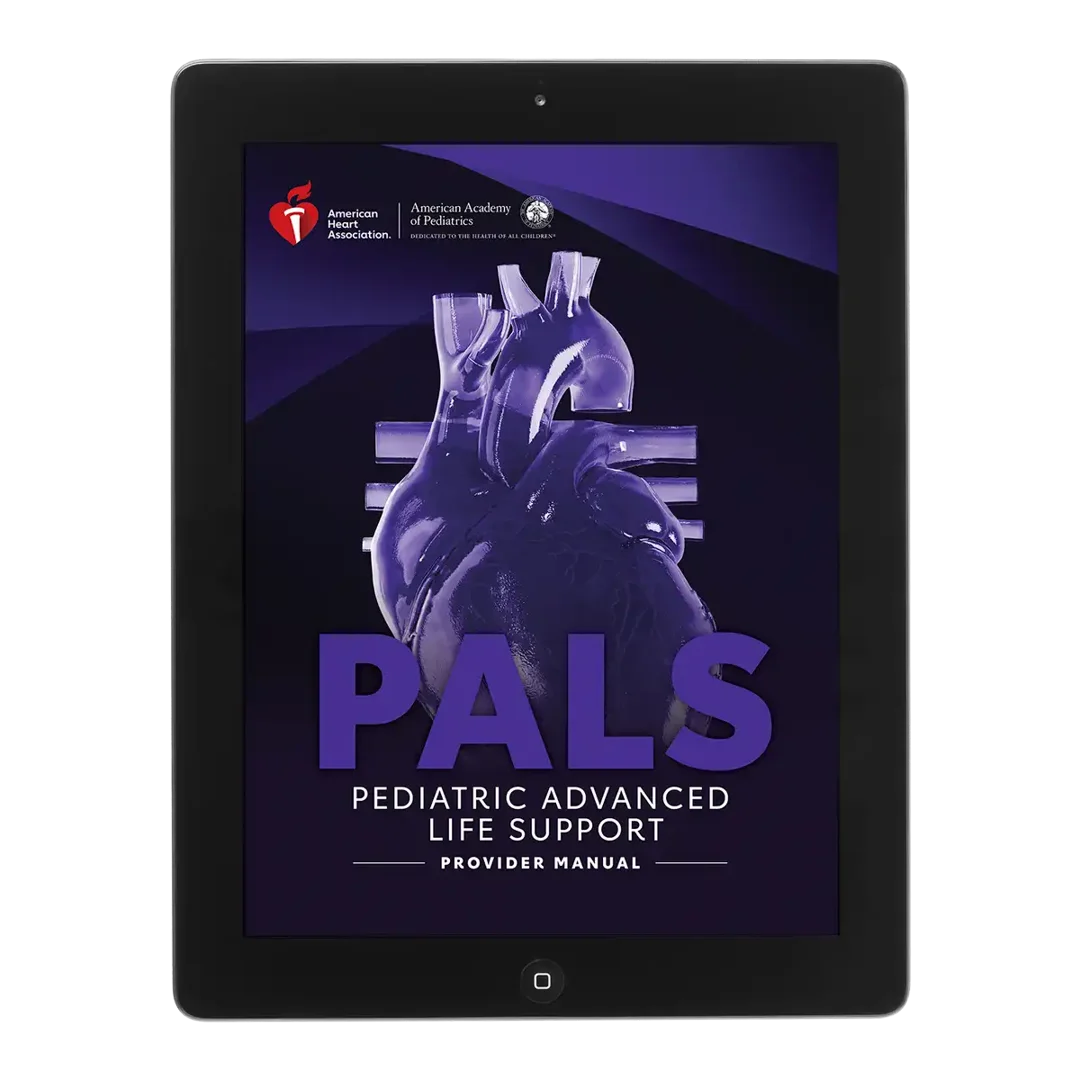
Whether you are a nurse, paramedic, respiratory therapist, or physician, understanding what it means to be a PALS Provider is essential to your clinical role and certification path.
At Vive CPR, we are committed to providing high-quality PALS certification class training in Northern California. As an AHA Training Site based in Rohnert Park, we serve the San Francisco Bay Area, including Sonoma, Marin, and Napa Counties. Our first responder instructors bring real-world experience into the classroom, so you leave with more than a card. You leave with skills you can use when a child’s life depends on it.
We don’t use voice-assisted manikins because we believe in the power of human instruction and guided hands-on practice. If you are ready to earn your PALS Certification, we offer flexible scheduling, including evenings and weekends, to fit your busy life.
Don’t wait until your certification expires— sign up today and join the thousands of local healthcare professionals who trust us for their life-saving training.
